Online stores that feel like your showroom.


What does an e-commerce agency do?
An e-commerce agency plans, designs and builds an online store: platform choice, product and collection pages, cart and checkout, integrations, and the imagery and campaigns that bring buyers in. The goal is a store that turns visitors into orders without making the brand look like a marketplace listing. MVXIM handles design, development and product content itself.
Who an online store of your own is for
- Mid-sized retailers and manufacturers moving from marketplaces to their own store
- Premium and design-led products where presentation drives the price
- Retailers whose store is slow, hard to update or converts poorly on mobile
- Teams that need product content for hundreds of SKUs, not ten
What usually goes wrong
Product pages sell the platform, not the product
Standard themes present every product the same way. Premium items end up looking like commodities.
Speed and effects fight each other
Heavy sliders and apps slow the store down, and slow stores lose mobile buyers.
Content can't keep up
Every new product needs photos, film and ad crops. Traditional shoots make that the bottleneck.
What an online store costs: what drives the effort
| Area | What we agree with you | What the effort depends on |
|---|---|---|
| Range | How many products, variants and categories the store needs at launch | Number of products and variants |
| Platform | Whether the store runs on a commerce platform or as a custom build | Range, features and your processes |
| Product data and images | Who supplies or creates copy and images per product | Whether data exists or is created new |
| Payment and shipping | Which payment and shipping options are offered | Number of providers and delivery countries |
| Integrations | Inventory, accounting, carriers or marketplaces | Number and type of interfaces |
| Migration | Moving products, customers and old URLs from the current store | Size and state of the existing data |
Range
- How many products, variants and categories the store needs at launch
- Number of products and variants
Platform
- Whether the store runs on a commerce platform or as a custom build
- Range, features and your processes
Product data and images
- Who supplies or creates copy and images per product
- Whether data exists or is created new
Payment and shipping
- Which payment and shipping options are offered
- Number of providers and delivery countries
Integrations
- Inventory, accounting, carriers or marketplaces
- Number and type of interfaces
Migration
- Moving products, customers and old URLs from the current store
- Size and state of the existing data
How an online store project works
Platform decision
Shopify, Shopify with a custom front end, or a fully custom build, chosen by catalogue size, markets, integrations and team, not by habit.
Conversion-first design
Collections, product pages, cart and checkout designed around how people actually buy; effects never block a purchase.
Product content system
Stills, short film and ad formats for every product, in one visual language across the whole catalogue and continued with every new item.
Growth after launch
Feed optimisation, shopping and catalogue ads, and testing on the pages with the most revenue at stake.
What you get
- Platform and architecture recommendation
- Store UX and design system
- Theme-based or custom storefront development
- Product, collection and checkout optimisation
- Payments, shipping, ERP and CRM integrations
- Product imagery and film for the whole catalogue
- Product structured data and feed setup
- Analytics and e-commerce tracking
Concept study by MVXIM
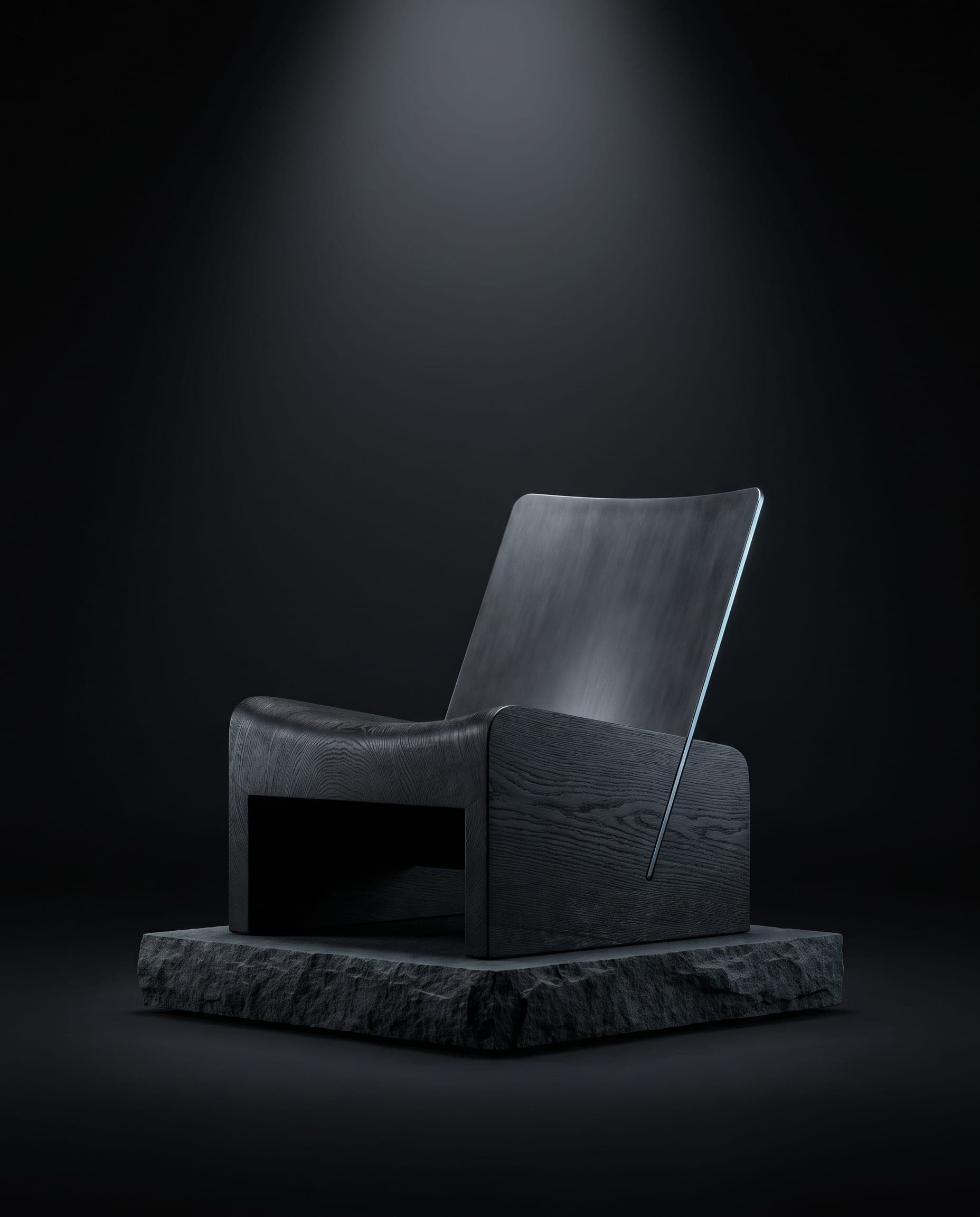
Form/Object
Design-led e-commerce
Online stores: frequently asked questions
What does an online store cost, and how long does it take?
Both depend on the scope: number of products and variants, platform, payment and shipping methods, connections to inventory or accounting, and the move from an existing store. We publish no package prices: after a first conversation you receive a written scope with a quote and a schedule.
Shopify or custom?
Most stores are best served by Shopify, sometimes with a custom front end for more design freedom and speed. Custom builds make sense for unusual catalogues or integrations. We recommend after looking at your requirements.
Can you migrate our existing store?
Yes, including products, customers, orders where possible, and URL redirects so existing search rankings aren't lost.
Do you produce product photos?
Yes, based on your real products: imagery and film in one visual language for your brand, with art direction for every asset. We deliver only what shows the product accurately. Where a physical shoot works better, we plan it in.
Do you run the ads too?
If you want. Store, product content and shopping campaigns are planned as one system. See performance marketing.
Who owns the store, product data and customer data?
Your product data, customer data and orders are yours. For the work created for you, such as design and copy, you receive the non-exclusive right of use for the purpose agreed in the quote once paid in full; source code and open design files are handed over only if agreed.
Not answered here?
Talk to us about your project.
Write a few lines in the form or send an email. Not sure yet what you need? The project check asks five questions.
- You send the briefA few lines are enough to start.
- We read it properlyAnd reply with questions or a proposal for a first call.
- You get a clear scopeWhat we'd build, how long it takes and what it costs.
Not sure yet what you need? Take the project check